
Building Inclusive Labour Institutions in India in a Changing World
DOI : https://doi.org/10.36349/easjebm.2025.v08i12.002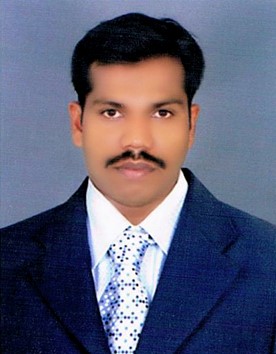
Dr. T. Selvankumar
Chief Editor
EAS Journal of Biotechnology and Genetics

Dr. James Kay, PhD
Chief Editor
EAS Journal of Psychology and Behavioural Sciences

Dr. Rejeesh Menon
Chief Editor
EAS Journal of Medicine and Surgery

Dr. S. Jayachandran
Chief Editor
EAS Journal of Dentistry and Oral Medicine
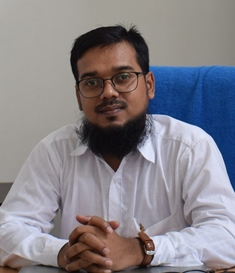
Dr. Md. Habibur Rahman
Chief Editor
EAS Journal of Pharmacy and Pharmacology
Dr. Benard Chemwei, PhD
Chief Editor
East African Scholars Multidisciplinary Bulletin

NFI Joseph Lon
Chief Editor
EAS Journal of Humanities and Cultural Studies
Prof. Dr. Nazir Ahmad Suhail
Chief Editor
East African Scholar Journal of Engineering and Computer Sciences
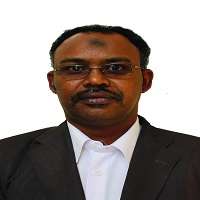
Dr. Hamid Osman Hamid
Chief Editor
EAS Journals of Radiology and Imaging Technology
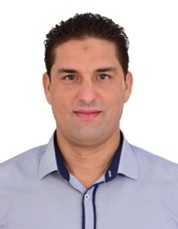
Dr. BOUCENNA Mounir
Chief Editor
EAS Journal of Veterinary Medical Science


Professor Thomas Count Dracula, MD, PhD
Distinguished Professor of Haematology Head — Experimental, Historical & Sensory Haematology Vlad the Impaler University, Wolf’s Lane, Wooden Stakes Grove 666, Transylvania.

BEST AUTHOR
Of The Month
Contact us
EAS Publisher (East African Scholars Publisher)
Nairobi, Kenya
Phone : +91-9365665504
Whatsapp : +91-8724002629
Email : easpublisher@gmail.com
About Us
EAS Publisher (East African Scholars Publisher) is an international scholar’s publisher for open access scientific journals in both print and online publishing from Kenya. Its aim is to provide scholars ... Read More Here
*This work is licensed under a Creative Commons Attribution-NonCommercial 4.0 International License.
© 2020, All Rights Reserved | SASPR Edu International Pvt. Ltd.